


Did you know that over 60% of urban areas face significant congestion issues? This staggering statistic highlights the pressing need for innovative solutions in traffic management. In our modern world, the integration of advanced technologies is not just a luxury; it’s a necessity.
In this ultimate guide, we will explore how artificial intelligence is transforming the way we manage our roadways and, importantly, how these principles can enhance your website’s performance. By leveraging advanced data analytics, cities are now able to adapt their infrastructure to meet the demands of urban mobility.
We will delve into the applications of smart technology, ensuring your digital presence remains competitive and accessible. Our analysis will cover essential tools and strategies to implement effective systems in your professional environment. Understanding the complex relationship between physical and digital traffic is crucial for your success.
Key Takeaways
- AI is revolutionizing modern traffic management systems.
- Data analytics help cities manage urban mobility challenges.
- Implementing smart technology enhances digital presence.
- Understanding traffic dynamics is vital for website success.
- Effective systems can improve user engagement significantly.
Introduction to Traffic Management and AI Innovations
The need for effective traffic management has never been more critical in urban environments. Modern urban mobility relies on the seamless organization of moving traffic, pedestrians, and cyclists. This ensures a smooth flow within cities, which is essential for daily life.
The introduction of smart technology has enabled the evolution of active traffic management systems. These systems adapt to current and expected traffic conditions, making them more efficient. By collecting and analyzing real-time data, planners can now identify patterns that were previously invisible in traditional traffic management approaches.
Intelligent traffic management is vital for smart urban planning. It enhances the safety and efficiency of transportation systems. Furthermore, systematic data collection aids in conserving resources and quickly identifying safety-critical events.
| Aspect | Traditional Systems | Smart Management |
|---|---|---|
| Data Usage | Static data | Real-time data |
| Adaptability | Limited | Dynamic adjustments |
| Efficiency | Standard | Enhanced |
| Safety Monitoring | Reactive | Proactive |
For more insights on the integration of smart technology in traffic management, visit this article.
Understanding AI Traffic Optimization
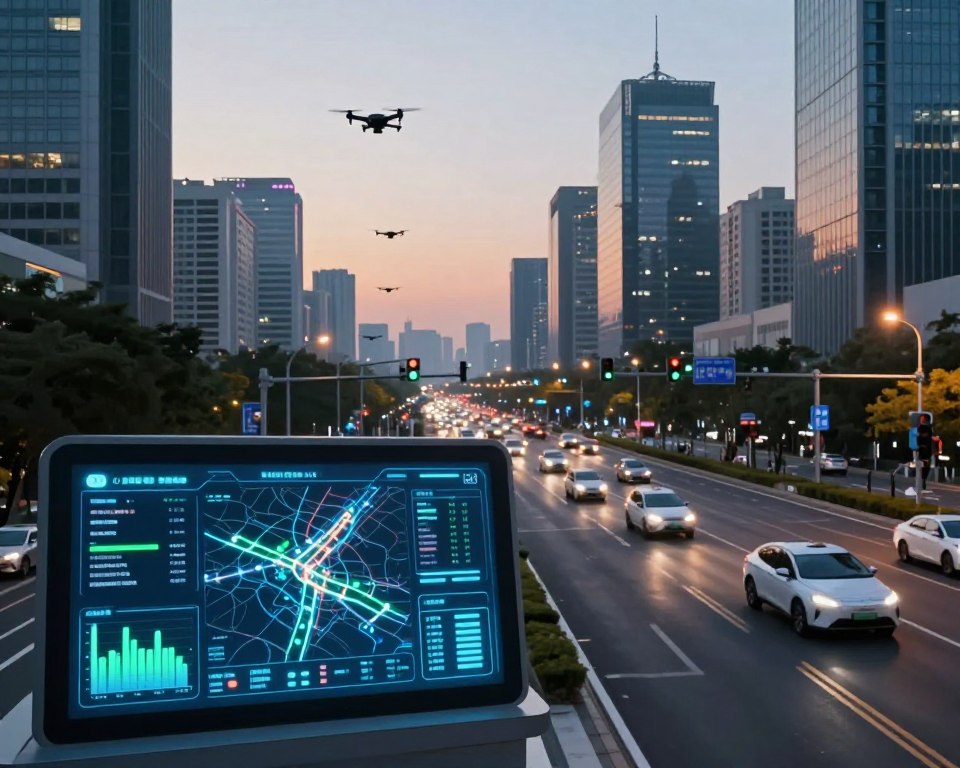
With rising vehicle numbers, effective traffic control has become a top priority for city planners. AI-driven traffic management systems focus on collecting and analyzing real-time data. This approach allows signals to operate seamlessly, like clockwork.
The impact of these systems on urban congestion is profound. They enable planners to identify potential bottlenecks before they develop. By utilizing machine learning, planners can predict conflicts and enhance the flow of traffic for all road users.
Safety is a primary concern in these systems. They are designed to minimize injuries and accidents by reinforcing traffic rules and monitoring compliance. Additionally, these technologies contribute to reducing emissions by optimizing vehicle movement through urban areas.
How AI Transforms Traditional Traffic Management Systems
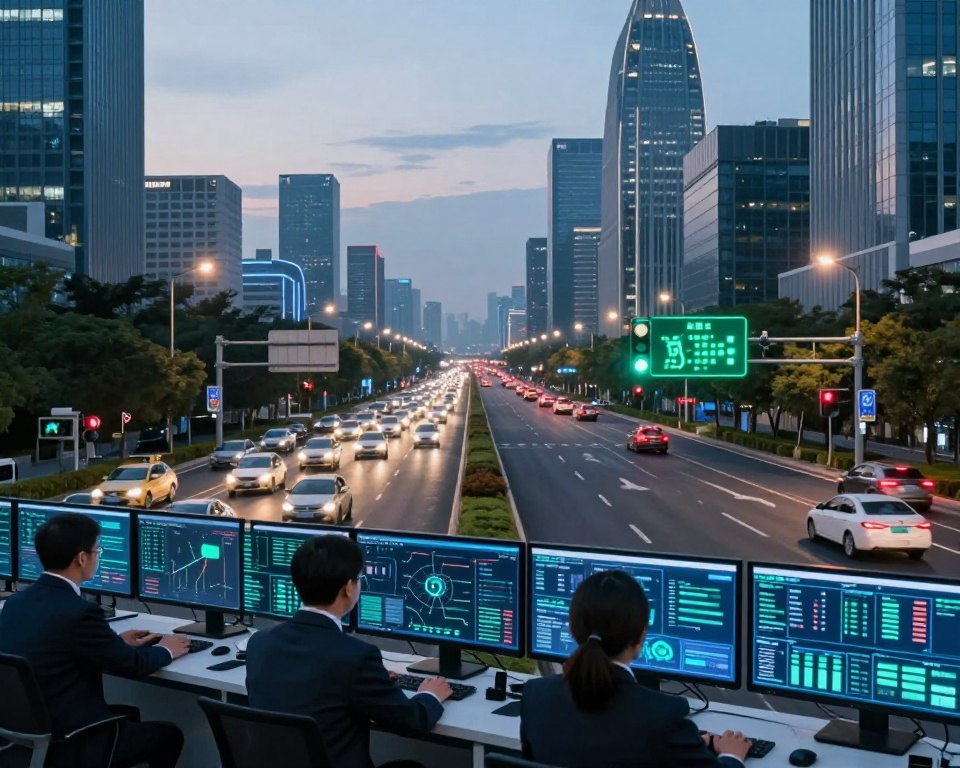
As urban populations grow, the challenges of managing roadways become increasingly complex. Intelligent Transport Systems (ITS) are leading the charge in this transformation. These systems shift traditional traffic management from static signals to dynamic networks that adjust in real time based on current demand.
The integration of connected vehicles plays a pivotal role. This technology allows for the exchange of safety-critical data, which helps in optimizing signal timing and reducing congestion. Furthermore, IoT sensors provide essential input, transmitting speed, position, and braking data to central control hubs.
By moving away from static schedules, cities can manage traffic flow more effectively. This ensures that both public transport and private vehicles move efficiently. The synergy between connected vehicles and infrastructure creates a more responsive ecosystem for modern urban mobility.
| Feature | Traditional Systems | Modern Systems |
|---|---|---|
| Signal Adjustment | Static | Dynamic |
| Data Exchange | Limited | Real-time |
| Vehicle Integration | None | Connected |
| Traffic Flow Management | Reactive | Proactive |
Real-World Applications of AI in Traffic Management
Urban areas are increasingly turning to advanced technologies to tackle persistent traffic challenges. The integration of smart systems has proven effective in various settings, particularly in ports and airports.
Here are some notable case studies:
- The Port of Algeciras implemented video analytics to monitor vehicle movements, significantly reducing congestion at key access points.
- Jackson Hole Airport utilized video analytics to track parking occupancy and manage entry queues in real time.
- During the 2024 Paris Olympics, WISP technology efficiently managed traffic at seven intersections, improving shuttle speeds by up to 20%.
- The RAPTOR project in Košice showcased a 26% reduction in waiting times and an 8% decrease in CO2 emissions through adaptive traffic signal control.
These examples illustrate how cameras and sensors can optimize traffic flow without the need for extensive new hardware installations. By leveraging real-time data, cities can enhance their traffic management systems and improve overall efficiency.
Leveraging AI Traffic Optimization for Website Traffic
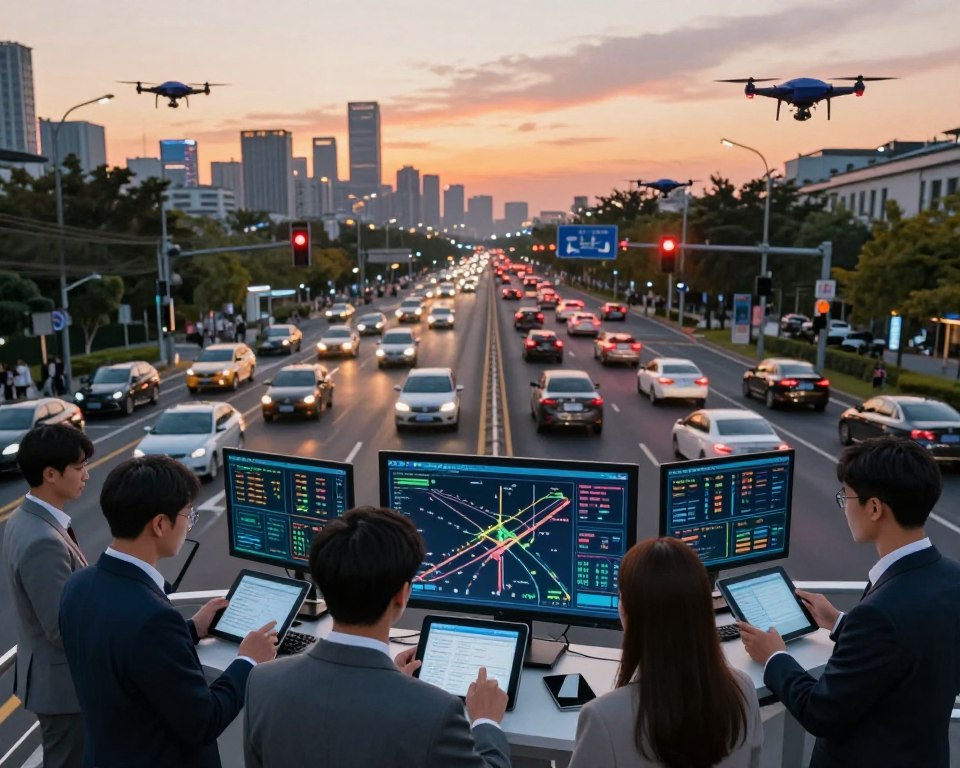
Just as cities strive for efficient vehicle management, websites must prioritize the smooth handling of user data. Effective traffic flow on the web is essential for user satisfaction and engagement.
We can draw parallels between how traffic signals control road flow and how server-side management systems regulate the flow of digital visitors. By analyzing historical data, website administrators can predict peak traffic times. This allows them to adjust their infrastructure to prevent digital congestion.
The lessons learned from managing physical traffic can be directly applied to improving loading times and responsiveness on your site. Moreover, the principles of intelligent traffic management can create a more seamless experience for your online users.

| Aspect | Urban Traffic Management | Website Traffic Management |
|---|---|---|
| Data Analysis | Real-time adjustments | Historical data analysis |
| Flow Control | Signal management | Server-side management |
| User Experience | Efficient mobility | Seamless navigation |
| Congestion Prevention | Dynamic signals | Infrastructure adjustments |
For more insights on enhancing your website’s performance, check out this resource.
Benefits of Implementing AI for Traffic Flow Improvement
The pressing challenges of urban mobility require innovative solutions to improve travel efficiency. One of the key advantages of implementing advanced systems is enhanced efficiency. In Europe alone, road inefficiencies result in €33 billion in external costs and 10.2 million tonnes of CO2 emissions annually.
Moreover, reduced congestion is vital for cities aiming to meet the EU goal of cutting vehicle-based emissions by 55% by 2030. These improvements not only benefit the environment but also lead to significant economic advantages.
When resources are better deployed, funds can be redirected toward essential welfare and development programs. Safety is also a priority, as these systems can prioritize emergency vehicles and protect vulnerable road users.
Additionally, by decreasing vehicle idling and braking, these technologies contribute to lower fuel consumption. This fosters a more sustainable mobility ecosystem for all citizens.
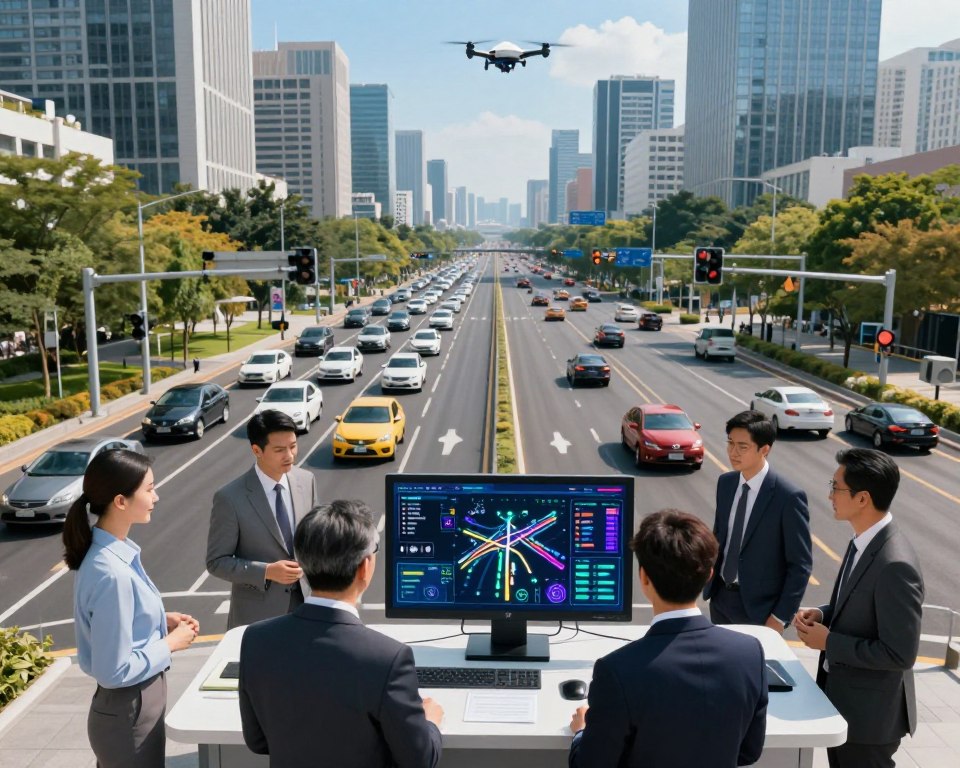
| Benefit | Description |
|---|---|
| Enhanced Efficiency | Improves travel times and reduces costs associated with road inefficiencies. |
| Reduced Congestion | Helps cities meet environmental goals and enhances urban mobility. |
| Economic Advantages | Allows for better resource allocation towards essential programs. |
| Improved Safety | Prioritizes emergency services and protects vulnerable users. |
| Lower Fuel Consumption | Decreases emissions and supports sustainable practices. |
Technical Insights Behind AI Traffic Optimization Tools
The integration of advanced technologies is reshaping how we understand and manage road conditions. One key component is machine learning, which uses historical data to identify patterns. This allows for accurate predictions of future traffic situations.
For instance, the Aachen-Düsseldorf corridor project showcases the power of technology. It is equipped with over 100 lidar units and 200 high-resolution cameras. These devices feed live data into a digital twin, enabling proactive management of traffic flow.
Digital twins serve as virtual replicas of physical assets. They allow data scientists to simulate various traffic scenarios, helping to evaluate the efficiency of infrastructure. Moreover, predictive analytics anticipate congestion before it occurs. This capability allows for timely rerouting of vehicles, ensuring smooth traffic flow.
As one expert noted, “The backbone of modern traffic management lies in these technical tools, which ensure infrastructure adapts to the city’s complex needs.”

For more insights on enhancing your website’s performance, check out this resource.
Overcoming Challenges in the Adoption of AI-Driven Systems
Navigating the complexities of modern urban environments presents unique challenges for city planners. The integration of advanced systems into traffic management requires careful consideration of several factors. These include data privacy, security, and ethical implications that arise with the use of artificial intelligence.
Data privacy is a significant challenge, necessitating the anonymization of data streams to comply with regulations like GDPR in the European Union. Additionally, security in a digital ecosystem is crucial. Multi-factor authentication and encryption are essential to protect against potential cyber attacks or data breaches.
Ethical decision-making is also vital. Human oversight is necessary to ensure that AI systems do not introduce bias into traffic management processes. Furthermore, public acceptance and trust are key for the successful deployment of these technologies. Awareness campaigns can help inform stakeholders about the benefits and address concerns.
By tackling these challenges, cities can build a resilient and secure infrastructure that benefits all community members.
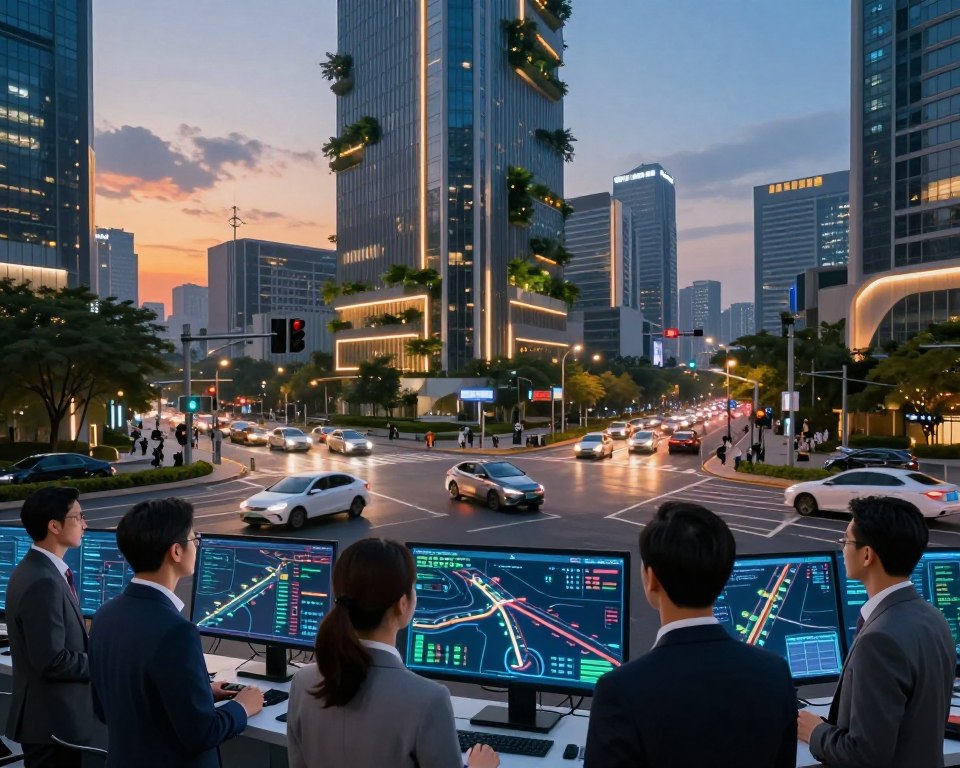
| Challenge | Description |
|---|---|
| Data Privacy | Compliance with regulations like GDPR through data anonymization. |
| Security | Protection against cyber attacks using multi-factor authentication. |
| Ethical Considerations | Ensuring AI systems do not introduce bias in management processes. |
| Public Acceptance | Building trust through awareness campaigns for stakeholders. |
Future Trends: Smart Cities and Next-Generation Mobility Solutions
Next-generation mobility solutions are reshaping how we navigate urban landscapes. Cities are increasingly turning to data-driven strategies to enhance their transportation systems. This shift not only improves efficiency but also promotes sustainability.
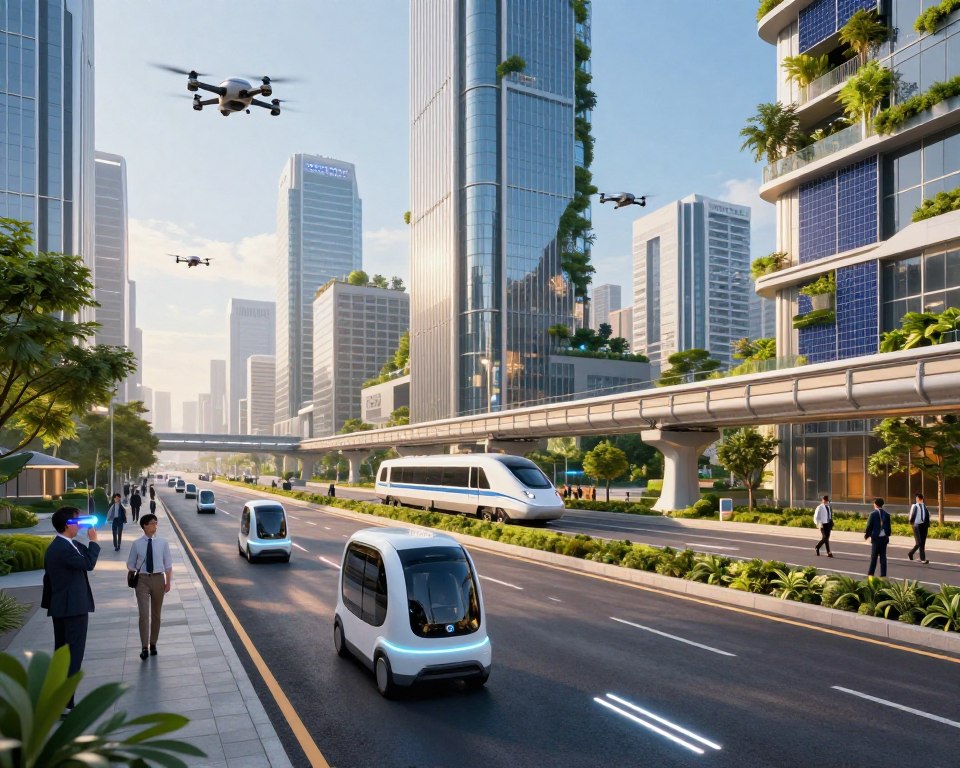
One standout example is Helsinki’s Smart City mobility program. It uses advanced analytics to optimize traffic signals, predict congestion, and support autonomous shuttle routes. Such innovations serve as a model for integrating various data sources into a cohesive management platform.
As we prepare for the rise of autonomous vehicles, expanding digital infrastructure becomes essential. This will support the communication needs of these next-generation systems. Innovations in urban planning focus on creating greener environments through the intelligent use of sensors and cameras.
In summary, the future of urban mobility is bright. By embracing these trends, cities can ensure that their transportation solutions remain efficient and accessible for all residents.
For more information on enhancing your local presence, visit this resource.
Conclusion
In the future of urban travel, embracing advanced technologies is essential for better management. AI traffic optimization is crucial for creating smarter, safer, and more sustainable cities. By leveraging predictive analytics and real-time data, we can significantly reduce congestion and enhance the efficiency of our road networks.
The successful adoption of these systems requires a careful balance of innovation, data privacy, and ethical decision-making by city planners. As we approach a future with autonomous vehicles, integrating these solutions will be vital for urban mobility.
We encourage you to explore these tools and consider how they can improve both physical and digital traffic. The journey toward smarter cities starts with informed decisions today.
FAQ
What is traffic management?
Traffic management refers to the strategies and systems used to control and optimize the movement of vehicles and pedestrians in urban areas. It aims to improve safety, reduce congestion, and enhance overall mobility.
How does data play a role in traffic flow optimization?
Data is crucial for understanding current conditions and patterns in vehicle movement. By analyzing real-time and historical data, traffic management systems can make informed decisions to improve flow and reduce delays.
What are the benefits of using advanced traffic signal systems?
Advanced traffic signal systems can adjust timings based on real-time conditions, improving traffic flow, reducing wait times, and enhancing safety for all road users.
How can AI help in reducing urban congestion?
AI can analyze vast amounts of data to predict traffic patterns and adjust signals accordingly. This leads to smoother traffic flow, fewer bottlenecks, and improved travel times.
What challenges do cities face when implementing AI-driven traffic solutions?
Cities may encounter challenges such as data privacy concerns, the need for robust infrastructure, and ensuring the security of connected systems. Addressing these issues is essential for successful implementation.
How do adaptive traffic signals work?
Adaptive traffic signals use real-time data from sensors and cameras to adjust their timings dynamically. This helps to respond to changing traffic conditions, enhancing overall efficiency.
What is the future of urban mobility with AI?
The future of urban mobility includes smarter cities that leverage AI for efficient traffic management, improved public transport, and the integration of autonomous vehicles, creating a seamless travel experience.
How can I learn more about traffic management systems?
There are many resources available, including online courses, webinars, and industry publications. Engaging with local urban planning initiatives can also provide valuable insights.