



Did you know that by 2025, ChatGPT is expected to process over a billion queries each day? This staggering statistic highlights a significant shift in how users are seeking information. Instead of relying solely on traditional search engines, millions are turning to AI interfaces for quick answers.
In this evolving landscape, mastering ChatGPT strategies is crucial for brands aiming to stay relevant. As users increasingly prefer AI tools for their inquiries, it’s essential to ensure your content is optimized for these platforms. This guide will provide actionable tips to help your website appear in AI-generated responses, enhancing your visibility in a competitive digital environment.
By adapting your marketing efforts to align with how AI interprets information, you can effectively reach those who depend on conversational search for immediate and accurate results. Together, we will explore how to structure your content and website to be easily discoverable by AI systems like ChatGPT, Bing, and Google.
Key Takeaways
- Understanding AI’s impact on search behavior is essential for modern marketing.
- Optimizing content for AI can drive more traffic to your website.
- High-quality content is key to satisfying both users and algorithms.
- Adapting your strategies will help maintain brand visibility.
- Implementing these tips positions your brand as a trusted source.
Understanding ChatGPT SEO and Its Impact on Traffic
As AI continues to evolve, understanding ChatGPT SEO becomes essential for brands. This practice focuses on optimizing your online presence so AI systems can effectively find and utilize your content. Unlike traditional SEO, which aims for high rankings in search results, ChatGPT SEO seeks to get your brand mentioned in AI-generated responses.
Data from a June 2025 study reveals that ChatGPT relies heavily on structured sources, with 47.9% of its citations drawn from Wikipedia. For example, the pet feeder brand Petlibro found that 85% of its AI-cited pages also ranked for keywords in Google search results. This correlation shows the importance of creating quality content that resonates with both AI and human users.
- ChatGPT SEO aims for brand citations in AI responses.
- Traditional SEO focuses on ranking blue links in search engines.
- Structured knowledge bases are vital for AI citation.
- Quality content is essential for visibility and traffic.
Benefits of Optimizing for ChatGPT SEO
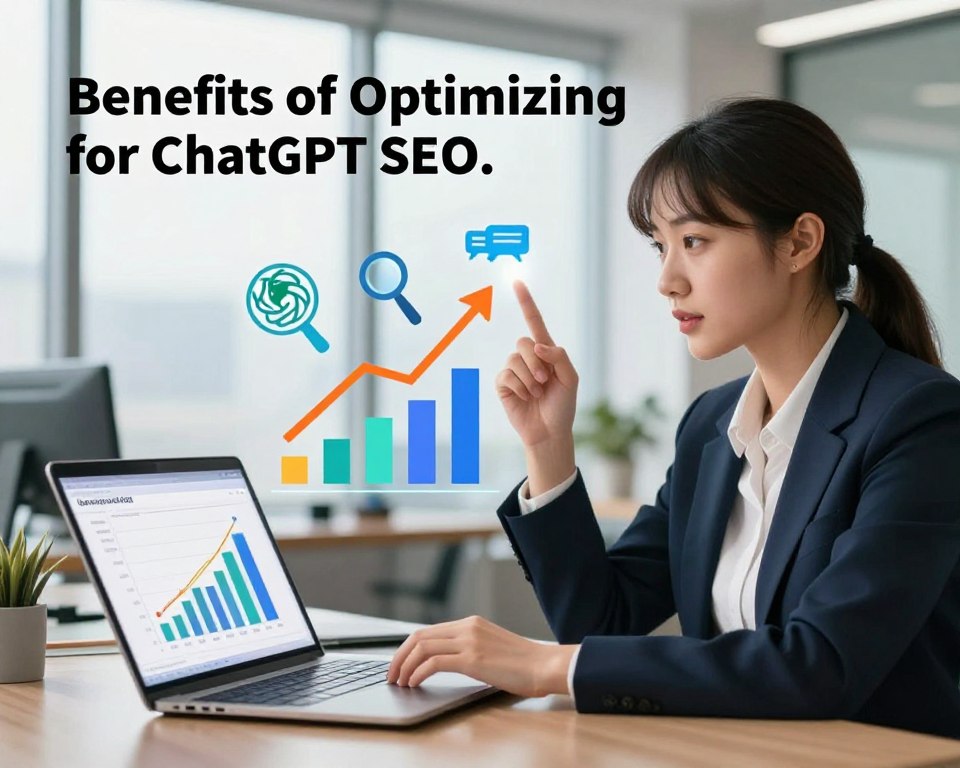
As AI becomes more prevalent, adapting your content strategy is crucial for success. One of the primary benefits of optimizing for ChatGPT SEO is the increased visibility your brand can achieve in AI-generated responses. This can lead to higher awareness and potentially boost website traffic.
Users who engage with AI tools often have a clearer intent than those using traditional search engines. For instance, a user searching for “high-speed cat toys” is looking for specific solutions. By addressing these precise queries, your content becomes more valuable.
Furthermore, meeting user intent not only enhances the relevance of your content but also builds trust with your audience. When users find direct answers to their questions, they are more likely to convert. This proactive approach ensures your brand is part of the conversation when users seek assistance.
Ultimately, optimizing for AI can improve the overall user experience, making your content a go-to resource. As more individuals adopt AI tools, the advantages of being featured in these responses will continue to grow.
Ensuring Optimal Indexing and Site Performance
Navigating the complexities of website indexing is vital for ensuring your content reaches its audience. Proper indexing is the foundation of ChatGPT SEO, as AI models rely on data accessed through traditional search engines to build their responses.
To enhance your site’s visibility, consider these strategies:
- Utilize Bing Webmaster Tools to monitor your site and submit your XML sitemap for better discovery.
- Regularly check your Google Search Console pages report to identify unindexed pages and resolve issues promptly.
- Employ the IndexNow protocol to notify search engines immediately when you publish or update content.
- Be aware that Google’s AI Overviews prioritize different sources than ChatGPT, with Reddit accounting for 21% of their citations.
- Social signals play a crucial role in AI visibility, as seen with Perplexity relying on Reddit for 46.7% of its citations.
Additionally, troubleshooting crawl issues is essential. Address 404 errors or unintentional noindex tags to maintain your pages’ visibility in AI search results. If a URL has no issues but remains unindexed, use the Request Indexing button in Google Search Console to encourage faster processing.

Crafting AI-Friendly, Engaging Content
Creating content that resonates with both users and AI is essential in today’s digital landscape. A well-structured approach helps ensure that your information is easily accessible and engaging. By focusing on clarity and organization, you can significantly enhance the user experience and boost your visibility.
One effective method is to use descriptive headings that align with the questions your audience is asking. This not only aids human readers but also makes it easier for AI to extract relevant sections for its responses.
Utilizing Clear Headings and Short Paragraphs
- Keep paragraphs concise, focusing on one idea each. This improves readability for users and AI tools alike.
- Incorporate bullet points and numbered lists to organize information, making it easier for AI to lift and repurpose your content.
- Use the AI Visibility Toolkit’s Narrative Drivers report to identify unanswered questions, guiding your content creation.
- Structure your content with clear definitions and step-by-step processes, providing AI with the canonical information it prefers to cite.
- Design each section to answer specific queries, allowing AI to segment and utilize your insights effectively.
- High-quality, structured information increases the likelihood of your brand being featured in AI-generated responses.

| Content Strategy | Benefits | AI Extraction |
|---|---|---|
| Descriptive Headings | Improves visibility | Facilitates easy extraction |
| Short Paragraphs | Enhances readability | Helps AI interpret content |
| Bullet Points | Organizes information | Makes content scannable |
Effective ChatGPT SEO Techniques for Content and Traffic
The importance of aligning your content with user intent cannot be overstated. Effective ChatGPT SEO techniques can significantly enhance your website’s visibility and traffic. Here are some strategies to consider:
Integrating Target Keywords Seamlessly
- Seamless integration: Use target keywords naturally to help AI understand the relevance of your pages to user queries.
- Direct answers: Address questions promptly, using the same wording in your headings to signal relevance.
- Concrete examples: Including statistics, like “Paid advertising on LinkedIn generated 22% more leads,” boosts your content’s attractiveness.
- Avoid keyword stuffing: Instead of repeating exact matches, use synonyms to provide broader context.
- Clear writing style: Direct and specific language makes it easier for AI to extract meaningful sentences.
- Layered keywords: Incorporate variations to connect your content with diverse user intents.
- Comprehensive answers: Always provide complete information, as AI models prefer thorough content.

By applying these techniques, you can create content that is both valuable for users and easily interpreted by AI, ultimately enhancing your online presence.
For more insights on optimizing your content strategy, check out this resource.
Building Brand Mentions and Authority Signals
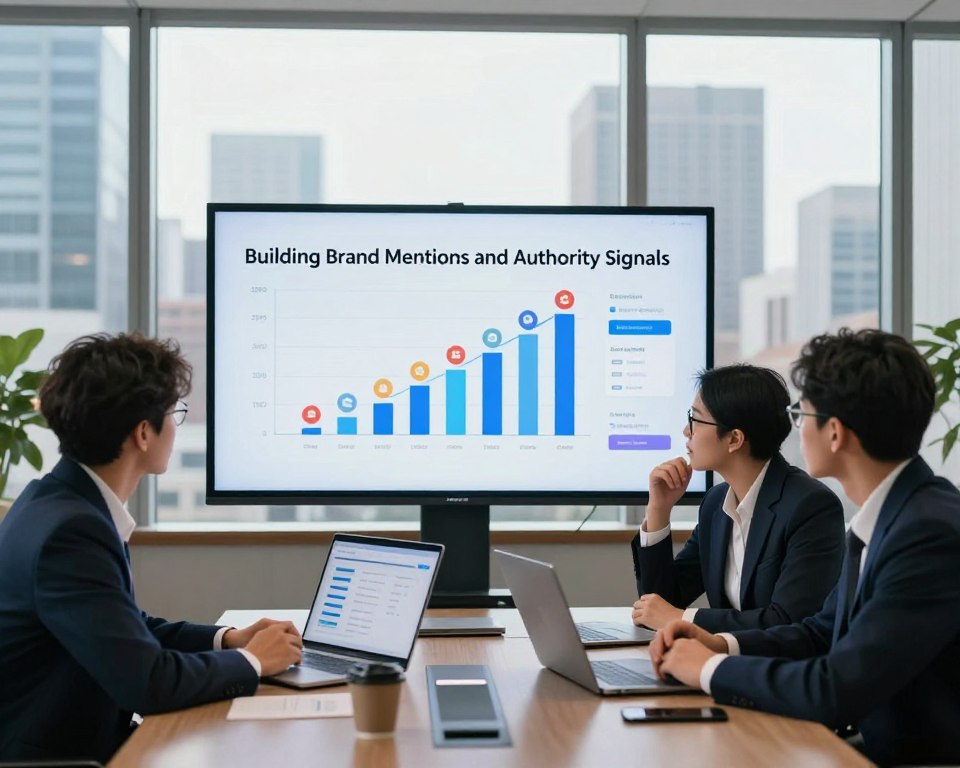
Establishing a strong online presence is essential for brands aiming to gain recognition in an AI-driven world. One effective strategy is earning high-quality backlinks from authoritative sources. This approach signals trust and relevance to AI systems, enhancing your visibility.
To identify potential backlink targets, engage with AI tools and ask questions related to your niche. Note which websites are frequently cited in the responses. For example, ChatGPT often references sites like Good Housekeeping and Organic Authority. These sources can be excellent targets for outreach.
Strategies for Earning High-Quality Backlinks
- Focus on building backlinks from sites recognized by AI systems.
- Utilize the AI Visibility Toolkit to track which websites are cited for your brand.
- Prioritize outreach to authoritative publications to increase brand mentions.
Leveraging Mentions from Authoritative Sources
Getting your brand mentioned in respected publications helps AI understand your expertise. Even without direct backlinks, these mentions serve as signals of authority. Consistently earning mentions can improve your chances of being included in future AI-generated answers.
This ongoing effort requires monitoring which sources gain traction in AI searches and adjusting your outreach accordingly. By focusing on these strategies, you can enhance your brand’s visibility and authority in an evolving digital landscape.
| Strategy | Benefit | Implementation |
|---|---|---|
| Backlink Building | Increases trust | Target authoritative sites |
| Brand Mentions | Enhances credibility | Engage with media outlets |
| Monitoring | Improves strategy | Use AI Visibility Toolkit |
For further insights on enhancing your brand’s visibility, check out this resource.
Leveraging Structured Data and Schema Markup
Using schema markup can significantly enhance your content’s visibility and relevance. This structured data helps search engines better understand your content, leading to improved search results.
Pages that feature explicit FAQs, numbered steps, and schema-wrapped definitions often outperform traditional formats. This is because they provide a clear scaffold for AI systems to extract information effectively.
Optimizing Meta Descriptions and Internal Links
To further boost your visibility, optimizing meta descriptions and tags is essential. These elements provide concise summaries that help search engines grasp your page content quickly.
Additionally, strong internal links connect ideas across your website. This creates a mini knowledge graph that reinforces your topical authority. Using descriptive anchor text allows AI to understand which pages contain the most relevant answers to user queries.

| Strategy | Benefit | Implementation |
|---|---|---|
| Schema Markup | Improves content extraction | Define content types |
| Meta Descriptions | Enhances search clarity | Summarize page content |
| Internal Links | Builds topical authority | Use descriptive anchor text |
By creating a well-linked web of content, you reduce fragmentation and help AI treat your brand as a reliable source. For more insights on optimizing your content strategy, check out this resource.
Adapting to Evolving AI Search Trends
The landscape of AI search is constantly shifting, making it essential to stay ahead of the curve. Understanding how different AI systems evaluate content can significantly enhance your visibility. A profound study tracking 30 million AI citations in June 2025 highlights how various AI models favor distinct signals of trust.
Measuring your performance in AI search involves tracking whether your brand is cited in response to relevant prompts. Here are some effective strategies to consider:
- Utilize the Semrush AI Visibility Toolkit to automate tracking your brand’s presence across AI platforms.
- The Brand Performance report shows how your visibility compares to competitors, providing sentiment scores based on your portrayal.
- Regularly test different query types, including branded searches and how-to questions, to gauge optimization effectiveness.
- The Narrative Drivers report helps identify prompts where your content is absent, revealing gaps in your strategy.
- Monitor sentiment toward your brand in AI responses and use the Perception report to improve your standing.
As AI search continues to evolve, flexibility is key. Regular updates to your content can ensure it meets the changing preferences of AI models. Consistent monitoring and iteration are essential for maintaining effective conversational agents and website content.

| Strategy | Benefit | Implementation |
|---|---|---|
| AI Visibility Toolkit | Automates tracking | Monitor brand presence |
| Brand Performance Report | Competitive analysis | Evaluate visibility |
| Narrative Drivers Report | Identify content gaps | Focus on missing prompts |
Tools, Prompts, and Resources for AI-Driven SEO
In an era where information is abundant, utilizing effective resources is key to standing out. Leveraging tools can significantly enhance your content strategy and improve your online visibility.
Utilizing Semrush and AI Visibility Toolkits
Utilizing tools like the Semrush AI Visibility Toolkit allows you to scale your tracking. This tool helps identify which prompts your brand appears for in AI-generated responses. By keeping tabs on your performance, you can adjust your strategy to meet user intent effectively.
Exploring ChatGPT Prompts for Keyword Insights
Exploring prompts can help you brainstorm titles and anticipate what users are likely to ask. For instance, tools like Numerous.ai integrate with Google Sheets and Excel to assist in mass-generating meta descriptions. This resource is invaluable for enhancing your website’s performance.
However, it’s crucial to remember that relying solely on generated content can be a mistake. Always provide ChatGPT with ample context and unique knowledge. This ensures the content offers insights that users won’t find elsewhere.
By leveraging these tools and resources, you can save significant time and create hyper-personalized SEO assets for your website. For more insights on boosting your site’s visibility, check out this resource.

Conclusion
The rapid evolution of AI technology is reshaping how we approach content creation. To thrive in this new landscape, embracing ChatGPT SEO is essential. This evolving practice blends human-first writing with machine-friendly formatting, ensuring your brand remains visible.
By focusing on topical authority, structured data, and clear content, you can position your website as a primary source for AI-generated answers. Always remember that the ultimate goal is to satisfy the user. Review and refine AI-generated content for quality and uniqueness.
As AI search continues to grow, staying ahead by monitoring your performance and adapting to new trends will be crucial for success. Start implementing these strategies today to ensure your brand is part of the conversation in the rapidly changing world of AI-driven search.
Your commitment to providing valuable, structured, and accurate information will help you thrive in this new era of digital marketing and search. For more insights on enhancing your backlink strategy, check out this resource.
FAQ
What is the importance of optimizing for AI-driven search engines?
Optimizing for AI-driven search engines enhances your website’s visibility, ensuring it appears in relevant search results. This can lead to increased traffic and better engagement with users.
How can I improve my website’s content for better indexing?
To improve indexing, use clear headings, concise paragraphs, and incorporate relevant keywords naturally. This helps search engines understand your content better.
What are some effective strategies for earning backlinks?
Effective strategies include creating high-quality content that others want to reference, reaching out to industry influencers, and engaging in guest blogging on reputable sites.
How can I measure the performance of my content?
You can measure performance by analyzing metrics such as page views, bounce rates, and user engagement through tools like Google Analytics. This data helps you understand what resonates with your audience.
What role does structured data play in SEO?
Structured data helps search engines better understand your content, improving the chances of rich snippets appearing in search results. This can enhance visibility and click-through rates.
How often should I update my website content?
Regular updates are crucial. Aim to refresh your content at least every few months to keep it relevant and aligned with current trends and user needs.
What tools can assist with keyword research?
Tools like Semrush, Ahrefs, and Google Keyword Planner are excellent for conducting keyword research, helping you identify high-traffic keywords to target in your content.
How do I ensure my content meets user search intent?
To meet user search intent, focus on understanding the questions and needs of your audience. Tailor your content to provide clear, direct answers that address those needs.