



Did you know that in 2024, an analysis by Internet Marketing Ninjas of over 1,100 top-ranking websites revealed that the quality of links is the key differentiator between leading pages and their competitors? This surprising statistic highlights the critical role that high-quality links play in enhancing your website’s visibility.
Focusing on the quality of your link profile, rather than just the sheer number of links, can significantly improve your search engine rankings. In this guide, we will provide a comprehensive roadmap for acquiring the type of links that modern search engines prioritize. You will learn how to align your SEO strategy with the latest algorithm updates, ensuring your website remains competitive.
By following proven techniques, you can transform your approach to link building. This will lead to sustainable growth in your organic search performance and help you achieve the results you desire.
Key Takeaways
- High-quality links are essential for SEO success.
- Focus on link quality over quantity for better rankings.
- Stay updated with algorithm changes to maintain competitiveness.
- Proven techniques can enhance your link-building strategy.
- Transform your approach for sustainable organic growth.
Introduction to Contextual Backlinks and SEO Strategy
As search engines become more sophisticated, the relevance of links in the main content has gained prominence. This shift emphasizes the importance of contextual linking for any website aiming to improve its SEO strategy.
During a 2021 Duda webinar, Martin Splitt from Google’s Developer Relations team discussed how search engines utilize “Centerpiece Annotation” to evaluate links within main content. This approach allows search engines to better understand a page’s relevance based on its surrounding text.
Understanding the benefits of these links is essential for website owners. Contextual links not only enhance authority but also improve the overall search engine presence. They provide a superior user experience by guiding visitors to relevant information that supports the content they are engaging with.
Implementing a robust strategy for contextual linking ensures that your site remains relevant and trustworthy. Below is a summary of the key benefits:
| Benefit | Description |
|---|---|
| Improved Authority | Enhances your website’s credibility and trustworthiness. |
| Better User Experience | Guides users to relevant information, increasing engagement. |
| Higher SEO Rankings | Boosts visibility in search engine results through quality links. |
What Are Contextual Backlinks?
Understanding the nature of links is essential for optimizing your SEO strategy. A contextual link is a hyperlink embedded within the main body content of a page. For instance, Moz provides an in-depth guide on “domain authority,” which serves as a prime example of this type of link.
These links are surrounded by relevant copy that explains the destination, giving readers clear context before they decide to click. Unlike non-contextual links found in footers or sidebars, a contextual backlink is naturally integrated into the editorial flow of the article.
Search engines evaluate the words surrounding each link to determine its relevance to the topic being discussed on the page. By providing clear context, these links help users understand exactly what to expect. This clarity improves engagement and reduces bounce rates on your website.
The Evolution of Link Building: From Quantity to Quality
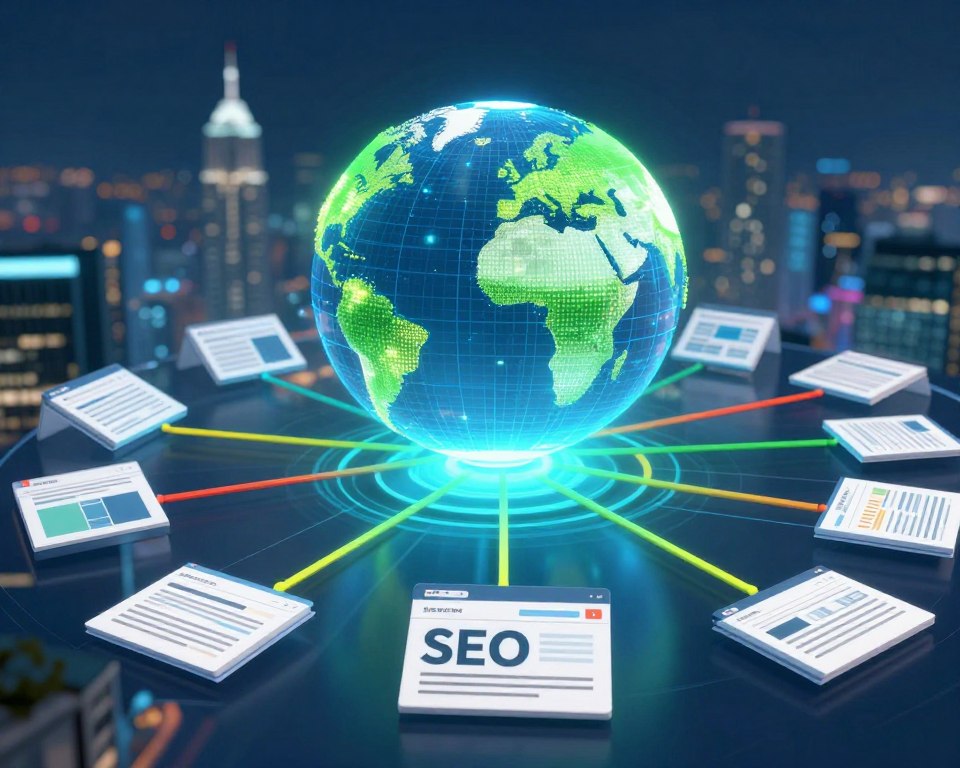
The landscape of link building has undergone a significant transformation in recent years. With Google’s SpamBrain update in December 2022, the focus has shifted dramatically. This update specifically targeted artificial link manipulation and link farms, emphasizing the need for genuine strategies.
Historically, many marketers chased the sheer quantity of links. However, modern SEO demands a shift toward the quality and relevance of each link placement. Today, a single editorial link from a high-authority publication holds more weight than hundreds of low-quality links from irrelevant sources.
As we move forward, the emphasis is on building genuine relationships and providing value. This approach not only enhances your credibility but also ensures that your link building efforts are sustainable. By adapting to these changes, you can protect your strategies against future algorithm updates.

Understanding the Role of Contextual Links in SEO
In today’s digital landscape, the role of links in enhancing SEO cannot be overstated. Search engines have become increasingly adept at analyzing the context surrounding hyperlinks. This evolution means that the placement and relevance of links are more crucial than ever.
Google employs advanced Natural Language Processing (NLP) to evaluate the words surrounding every hyperlink. This technology helps determine the relevance signal of a link, as noted in Google’s technical documentation. The editorial context is vital in deciding if a link is a genuine recommendation or merely a paid placement.
Moreover, by examining the paragraph topic and section heading, search engines can accurately assess how relevant a link is to the overall page theme. Links placed within the “centerpiece” of a page are weighted significantly higher than those found in less prominent areas, such as navigation bars or footers.
This thorough evaluation process ensures that only high-quality, relevant links contribute to the ranking authority of the destination website. For more insights on boosting your site’s visibility, check out this guide on powerful backlinks.

Benefits of Earning High-Quality Contextual Backlinks
Acquiring quality links is essential for establishing your site’s credibility and enhancing user experience. These links not only boost your domain authority but also signal to search engines that your content is a trusted resource.
Research by Backlinko indicates that the first result in Google typically possesses 3.8x more links than those ranking in positions 2 through 10. This shows the significant impact that quality links can have on your search performance.
Moreover, a study by Pew Research in July 2025 highlighted that 26% of users stop their search after viewing an AI summary. This makes editorial mentions critical for visibility.
High-quality links also enhance the user experience by providing direct access to supplementary information. This helps readers gain a deeper understanding of the topic at hand.
By increasing your site’s credibility, you create a compounding effect that improves rankings for multiple pages across your entire domain. To learn more about obtaining effective links, check out this guide on acquiring backlinks.

Essential Strategies for Building Contextual Backlinks
Adopting the right strategies for link building can set your website apart in a competitive landscape. A focused approach is essential for gaining valuable contextual links that enhance your SEO efforts.
One effective method is leveraging Digital PR. This strategy positions your brand as an expert source for journalists, increasing the likelihood of editorial placements. For example, Search Engine Land often provides contextual backlinks by linking to relevant services within their articles.
Another approach involves creating linkable assets. Original research or free tools can attract attention from other publishers, giving them a reason to reference your content. Additionally, manual outreach techniques can secure guest contributions on reputable sites within your niche.
Finally, by targeting websites that share your user base, you ensure that your link building efforts lead to high-quality, relevant traffic for your business. Implementing these strategies will strengthen your link profile and enhance your site’s authority.

How to Build Contextual Backlinks for SEO Success
To excel in SEO, understanding how to build quality links is crucial for your online success. Using tools like Ahrefs’ “site explorer” is essential for evaluating the quality of potential websites before you reach out.
Building these valuable links requires a systematic approach. Focus on identifying high-authority sites that are relevant to your content. Here are some key strategies:
- Prioritize sites with real organic traffic, as they pass the most ranking authority to your pages.
- Always verify that the target site maintains editorial standards. This ensures your link is viewed as a legitimate recommendation by search engines.
- Consistent execution of these building techniques will lead to a steady improvement in your search rankings and overall digital presence.
For more insights on enhancing your link-building strategy, check out this guide on free backlinks.

Using Content Marketing to Attract High-Quality Links
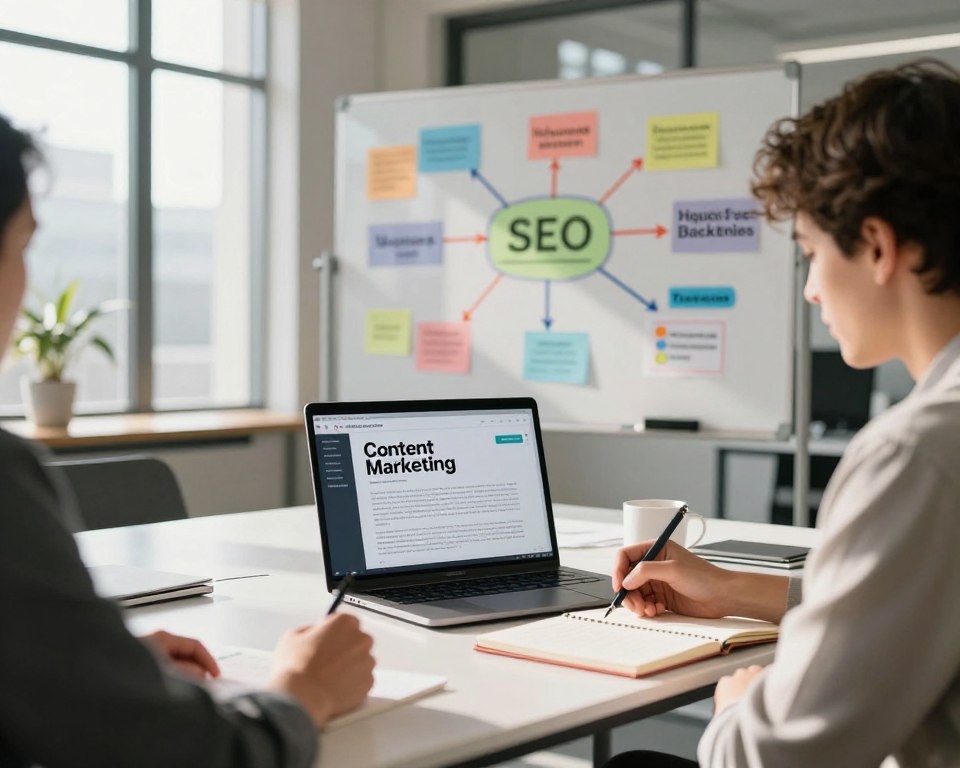
In the digital age, content marketing has emerged as a powerful tool for attracting high-quality links. By creating valuable and engaging content, you can naturally draw the attention of others who are looking to link to useful resources.
For instance, Nightfall, a cybersecurity SaaS platform, grew its organic traffic by an impressive 287% in just 13 months through 57 strategic link insertions. This success story highlights the effectiveness of quality content in driving traffic and enhancing link acquisition.
Here are some key strategies to consider:
- Develop original data studies or white papers that provide unique insights.
- Publishing unique research offers journalists and bloggers the data they need to support their claims.
- Utilize content marketing to create a web of interlinked posts that inform readers and signal authority to search engines.
- Focus on high-value content, making it easy for site owners to recommend your resources.
| Strategy | Description |
|---|---|
| Original Research | Creating unique studies attracts links naturally. |
| Engaging Content | Informative posts keep readers engaged and coming back. |
| Interlinked Posts | Build authority by linking related content together. |
Optimizing Anchor Text and Link Placement for Maximum Impact
To achieve optimal SEO results, understanding how to effectively utilize anchor text and link placement is crucial. Auditors recommend keeping exact-match anchor text under 10% of your total profile. This strategy helps avoid triggering Google’s spam filters.
Descriptive anchor text should clearly indicate what the reader will find. Avoid using generic phrases like “click here” on every link. Instead, make your text informative and relevant.
The placement of your links also matters. Links within the first few paragraphs of an article often carry more weight than those buried at the bottom of a page. Varying your anchor text with branded terms and topical phrases helps you rank for a wider range of keywords while maintaining a natural profile.
Proper optimization ensures that both users and search engines understand the relevance of the destination page before the link is even clicked.
| Strategy | Description |
|---|---|
| Exact-Match Anchor Text | Keep under 10% to avoid spam filters. |
| Descriptive Text | Clearly indicate link destination. |
| Link Placement | Position links in early paragraphs for better impact. |
| Varied Anchor Text | Use branded and topical phrases for diversity. |
| Optimization | Ensure relevance for users and search engines. |
Diversifying Your Link Profile: Internal, Inbound, and Outbound Links
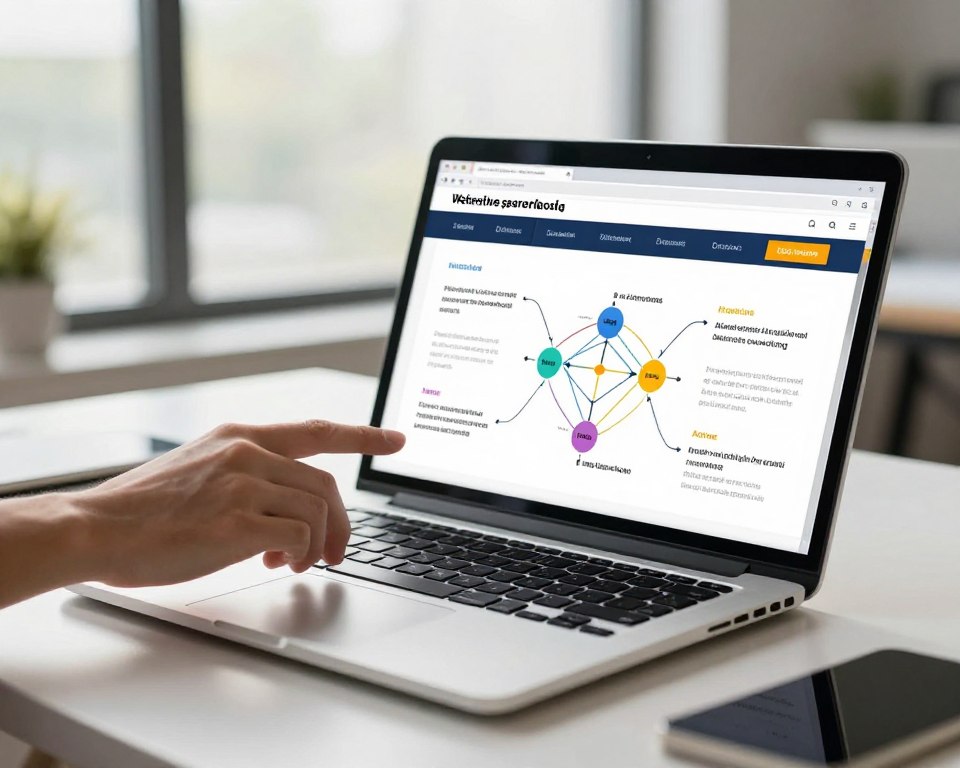
Building a strong link profile is essential for your website’s SEO success. A diverse mix of inbound links, internal links, and outbound links can significantly enhance your online visibility.
Brafton effectively uses internal links to connect related blog posts. This strategy helps search engines understand the topical structure of their website, making it easier for users to find additional information.
A healthy link profile includes:
- Inbound Links: These highlight your brand as a trusted authority in your niche.
- Internal Links: These distribute authority across your site, improving overall performance.
- Outbound Links: Linking to authoritative sources demonstrates that you provide well-rounded resources for your readers.
Diversifying your link profile protects your site from algorithm updates. It ensures that you build a strong foundation for long-term SEO success. As noted in a recent study, “A well-rounded link profile is crucial for maintaining high search rankings.”
“A well-rounded link profile is crucial for maintaining high search rankings.”
For more insights on link building, check out this guide on the importance of backlinks.

Leveraging Broken Link Building for Quick Wins
Broken link building offers a unique opportunity to enhance your SEO strategy while helping others. This method involves identifying links that lead to 404 errors on authoritative sites. You can use tools like Screaming Frog and Ahrefs to pinpoint these broken links.
By reaching out to site owners, you can suggest replacing their dead links with your own relevant content. This not only aids the site owner in fixing a bad user experience but also earns you valuable contextual placement. Here are some benefits of this approach:
- Site owners are often eager to replace dead links with active, helpful resources.
- Providing a high-quality replacement ensures your link is added naturally to the existing editorial content.
- This method can lead to quick wins, boosting your link profile effectively.
By employing broken link building, you create a win-win situation that enhances your site’s authority while assisting others in improving their user experience.

Building Relationships with Industry Influencers for Link Growth
Establishing connections with key figures in your industry can be a game-changer for your link-building efforts. Neil Patel, a well-known figure in digital marketing, gained popularity by consistently creating useful and original insights for his audience.
Building relationships with industry influencers can lead to natural link growth as they are more likely to reference your content in their work. Here are some effective strategies:
- Engage with content curators who manage “best of” lists to increase your chances of getting featured.
- Appear on podcasts or be interviewed by industry leaders to discuss your services while earning a high-authority link.
- Focus on mutual value, ensuring your brand stays top-of-mind for influencers when they need to cite expert sources.
By fostering these relationships, you create a network that not only enhances your visibility but also strengthens your credibility in the industry.

Monitoring Your Backlink Profile and Adjusting Strategies
Regularly evaluating your link profile is essential for maintaining strong SEO performance. Ahrefs’ analysis of 75,000 brands revealed that those in the top quartile for web mentions earn 10x more AI Overview citations than others. This highlights the significant impact of effective link management.
You must consistently monitor your backlink profile using tools like Semrush, Moz Link Explorer, and Google Search Console. These tools help track new and lost links, ensuring you stay informed about your link health.
Ongoing analysis allows you to identify and disavow harmful links that could negatively impact your site’s credibility in the eyes of search engines. Tracking metrics like domain authority and link strength helps you understand which of your outreach strategies are delivering the best return on investment.
Adjusting your approach based on these detailed reports ensures that your link building remains effective in an ever-changing search landscape.

Avoiding Common Pitfalls in Link Building Campaigns
In the world of SEO, avoiding common mistakes in link building is crucial for long-term success. Many businesses struggle with link building due to common pitfalls that can derail their SEO efforts. Understanding these challenges will help you create a more effective strategy.
Internet Marketing Ninjas found that 96% of top-ranking pages have over 1,000 links from unique domains. However, the quality of those links is what truly matters. Here are some key pitfalls to avoid:
- Avoid paid links, as Google’s SpamBrain can identify and penalize networks that sell placements on low-quality sites.
- Steer clear of over-optimization, like using exact-match anchor text on every link, which can trigger penalties.
- Be cautious of sites that publish numerous guest posts weekly; these are often link farms with little long-term value.
- Focus on editorial relevance rather than sheer volume to protect your brand and maintain a healthy link profile.
By steering clear of these common mistakes, you can ensure that your link building efforts add real value to your SEO strategy and improve your search visibility.
| Common Pitfalls | Description |
|---|---|
| Paid Links | Can lead to penalties from search engines. |
| Over-Optimization | Using exact-match anchor text excessively can trigger manual actions. |
| Link Farms | Sites publishing many guest posts may offer low-quality links. |
| Lack of Relevance | Chasing volume over quality can harm your link profile. |

Integrating Contextual Link Building into a Comprehensive SEO Plan
In the ever-evolving world of SEO, it’s vital to integrate your link building into a broader digital marketing strategy. This approach not only enhances your brand visibility but also aligns your efforts with overall business goals.
Ryan Law reported in December 2025 that the rise of AI Overviews has reduced the click-through rate for the first search position by 58%. This shift underscores the importance of creating a cohesive narrative that attracts both users and search engine crawlers.
To maximize the effectiveness of your content, ensure that every blog post includes 3 to 5 internal links to related pages. This practice helps distribute authority across your site while keeping readers engaged with your content.
By adopting a holistic approach, you position your website to thrive in both traditional search results and the emerging AI-powered search experience. This integration of strategies is crucial for long-term success in the competitive online landscape.

Conclusion
In the digital world, connections matter greatly. Quality links are essential assets for your SEO strategy, providing the relevance signals that search engines and AI systems seek.
By prioritizing high-quality editorial placements, you can build a sustainable link profile that enhances your ranking and drives consistent referral traffic.
Keep in mind that the value of a link is determined by its placement within the centerpiece of a page and the relevance of the surrounding text.
Avoid quick-fix tactics like paid links or link farms, as these can harm your site’s authority and trust in the long run.
Start implementing these strategies today to ensure your brand remains visible and competitive in the evolving landscape of modern search.
FAQ
What are contextual backlinks?
Contextual backlinks are links placed within the content of a web page, providing relevance and value to both users and search engines. They help improve your site’s authority and rankings.
How do contextual links impact SEO?
These links enhance your site’s SEO by boosting domain authority and improving search engine rankings. They also drive targeted traffic to your site, increasing visibility.
What are the benefits of earning high-quality links?
High-quality links improve your site’s credibility, enhance user experience, and lead to higher engagement rates. They can also result in increased organic traffic and better search rankings.
How can I build contextual backlinks?
You can build these links by creating valuable content, engaging in guest blogging, and leveraging relationships with industry influencers. Outreach and digital PR are also effective strategies.
What role does anchor text play in link building?
Anchor text is the clickable text in a hyperlink. Optimizing it helps search engines understand the context of the linked content, improving relevance and boosting SEO efforts.
How can I monitor my backlink profile?
Use tools like Google Search Console, Ahrefs, or SEMrush to track your backlinks. Monitoring helps you assess link quality and adjust your strategies for better results.
What are common pitfalls in link building?
Common pitfalls include over-optimization, relying too heavily on paid links, and neglecting the quality of links. It’s crucial to focus on building a diverse and relevant link profile.
How can I integrate link building into my SEO plan?
Incorporate link building by aligning it with your overall digital marketing strategies. Focus on creating quality content that attracts links naturally and fosters relationships within your industry.