



Did you know that the first result on a Google search results page captures a staggering 27.6% of all clicks? This means that if your website isn’t ranking at the top, you could be missing out on a massive amount of potential customers. In fact, only 0.63% of searchers venture onto the second page of results. This startling statistic highlights the importance of mastering online visibility.
In today’s digital landscape, having a solid strategy for optimizing your site is crucial. By implementing effective techniques, you can drive significant organic traffic to your online store. Our comprehensive guide will provide you with the tools and insights needed to enhance your website’s performance.
We will delve into optimizing product pages, improving site structure, and ensuring your brand stands out in a competitive market. With a focus on both technical and on-page strategies, you can boost your site’s visibility and attract more customers. Let’s explore how to harness the power of search engines to achieve your business goals.
Key Takeaways
- Understanding that the first Google result captures 27.6% of clicks is vital for online success.
- Implementing a robust strategy can significantly enhance organic traffic to your store.
- This guide offers essential tools and data to help your website rank higher without relying on paid ads.
- Optimizing product pages and site structure is crucial for visibility in a competitive market.
- Focusing on technical and on-page SEO can improve your site’s performance.
- Learn to leverage search console data for informed decision-making and improved visibility.
Introduction to Ecommerce SEO
To thrive in the digital marketplace, understanding search engine visibility is essential. Ecommerce SEO refers to the process of enhancing the visibility of your online store in search engine results pages. This approach attracts unpaid visitors who are actively searching for products like yours.
A great example is True Classic, a brand that successfully optimizes its collection and product pages to improve search rankings. By fine-tuning your website according to search engine best practices, you can draw in visitors looking for your specific products.
The benefits of implementing a solid SEO strategy are significant. Increased traffic, improved brand awareness, and higher sales can be achieved without the constant reliance on paid advertising. However, staying updated with search engine algorithm changes can be challenging, making a consistent, data-driven approach crucial for success.
This section will guide you through essential tasks in ecommerce marketing, such as creating optimized content that helps convert new customers. It’s vital to ensure your product pages rank among the top organic search results on Google.
Understanding Ecommerce SEO Fundamentals
Improving your online store’s visibility is crucial for attracting potential customers. This process, known as ecommerce SEO, focuses on enhancing your site’s organic rankings in search engines like Google and Bing. By optimizing your website, you can drive more shoppers to your store without relying on paid advertisements.
One of the most significant advantages of ecommerce SEO is that it builds trust with your audience. Customers tend to prefer organic search results over paid ads, which enhances your credibility. Additionally, ranking higher in search results gives your store a competitive edge, setting you apart from others that may not be as optimized.
Common tasks in this optimization process include conducting keyword research, refining product pages, and improving your site structure. Creating high-quality content tailored to your audience is also essential. Furthermore, building backlinks from reputable sites can enhance your store’s authority and search performance.

By implementing these strategies, you can ensure that your website remains visible and relevant to customers searching for your products. This approach not only drives traffic but also fosters a strong brand presence in a competitive market.
The Importance of Organic Traffic and Sales Growth
A staggering 75% of users never venture beyond the first page of search results, underscoring the need for effective visibility. This statistic highlights why securing a prominent placement is vital for boosting sales.
Customers often perceive websites listed in organic search results as more trustworthy than paid ads. They believe these listings earned their positions through quality and relevance.
Strong organic traffic provides lasting advantages. Unlike pay-per-click campaigns, which cease to deliver visitors once funding ends, organic traffic continues to bring in potential buyers without ongoing costs.
- Higher conversion rates often accompany visitors arriving through organic channels, as trustworthiness leads to greater engagement.
- Creating valuable blog content lays the groundwork for a durable online presence, maintaining favorable search positions over time.
- Focusing on organic growth builds a well-known brand, generating more backlinks from other sites.
In this section, we will analyze how these enhancements contribute to sustained growth and consistent traffic to your store. By prioritizing organic strategies, you can achieve a more sustainable return on investment.

For more insights on optimizing your strategy, check out this comprehensive guide.
Keyword Research Strategies for Ecommerce SEO
Understanding what terms customers use to search for products is vital for driving traffic. Effective keyword research lays the foundation for any successful marketing strategy. By identifying the right keywords, you can attract more visitors to your online store.
Utilizing tools like Semrush’s Keyword Magic Tool allows you to generate thousands of keyword ideas from a single search term. This tool helps filter results tailored to your specific business needs. Another popular option is Ahrefs, which enables comprehensive keyword analysis to find high-value terms for your site.
When conducting keyword research, it’s essential to consider user search intent. This refers to the reason behind a search query. The main types of search intent include navigational, informational, commercial, and transactional. For online stores, focusing on commercial and transactional intent is especially important.
Additionally, you can leverage Google and Amazon’s autocomplete features to uncover popular searches related to your products. Analyzing competitors’ keywords using tools like Ahrefs or Semrush can reveal successful strategies while highlighting gaps in your own content.
Building a keyword matrix helps organize your research efforts, capturing search intent and identifying relevant topics that resonate with your target customers. This structured approach ensures that your content remains aligned with user needs, ultimately enhancing your store’s visibility.
For more insights on optimizing your strategy, check out this comprehensive guide.
Crafting SEO-Friendly Product and Category Pages
Creating product pages that are optimized for search engines can significantly enhance your online visibility. A key aspect of this process is writing unique product descriptions. Copying and pasting from manufacturers is considered duplicate content and can hurt your search rankings. Instead, focus on crafting comprehensive descriptions that engage readers and provide valuable details about your items.
Additionally, optimizing URLs and meta elements is crucial. Keep your title tags under 60 characters to ensure better visibility in search results. Your meta descriptions should be concise, ideally between 120 and 158 characters, acting as a mini-advertisement to capture user attention. Using action verbs and keywords in these elements can improve click-through rates, boosting your overall performance.

For more insights on elevating your brand, check out this expertise in cross-border marketing.
Structuring a User-Friendly Site Architecture
A well-structured website can significantly enhance user experience and boost your visibility. Site architecture refers to how you organize your pages, categories, products, and posts. This is a crucial technical consideration for any online store.
The best site architecture is simple and scalable. Ensure all pages are accessible within three clicks or fewer. This minimizes friction for your visitors, allowing them to find what they need quickly.
For example, Allbirds effectively uses breadcrumbs on its product pages. This feature helps orient users and assists search engines in understanding how your site is structured and indexed.
- Link to your most important collections from the main navigation menu. This ensures they receive maximum authority from your homepage.
- Use internal linking to drive customers to relevant product pages and educational content. However, avoid overwhelming them with too many links.
- One or two links every few hundred words are enough to keep visitors engaged without confusion.
- Organize content in keyword-rich subfolders in your URL structure, like “yoursite.com/mens-clothing/casual-shirts.” This helps search robots crawl your site more effectively.
- By structuring content in parent-child relationships, you provide clear organization for complex catalogs, aiding search engines in scanning and indexing your store.

On-Page SEO Techniques for Ecommerce
Understanding how to enhance your title tags and meta descriptions can significantly impact your search performance. On-page optimization involves fine-tuning individual pages to rank higher in search results, especially for your product and category pages.
Google uses your title tag to grasp your page’s topic, which can affect its rankings. Thus, it’s crucial to keep your title tag under 60 characters to avoid truncation in search results while accurately describing the content.
You can utilize tools like Semrush’s On Page SEO Checker to assess whether your title tags and meta descriptions are optimized for your audience. While meta descriptions don’t directly boost rankings, they improve click-through rates, acting as a mini-advertisement.
Consider using modifiers like “Deals,” “20% Off,” or “Free Shipping” in your meta descriptions to effectively target long-tail keywords. Additionally, AI can streamline the creation of H1 title tags by analyzing content and generating engaging options based on context and target keywords.
| Technique | Description | Benefit |
|---|---|---|
| Title Tags | Summarizes page content in search results. | Improves click-through rates and rankings. |
| Meta Descriptions | Provides a brief overview of the page. | Encourages user engagement and traffic. |
| Modifiers | Keywords like “Free Shipping” in descriptions. | Targets specific customer interests. |

For more insights on boosting your site’s visibility, check out this helpful resource.
Optimizing Product Images and Alt Text
Properly optimized product images can lead to better rankings and increased traffic to your site. Images are not just visuals; they are powerful tools for enhancing your website’s search performance.
Here are some essential tips for optimizing your product images:
- Image Optimization: Optimize your product images to rank in Google’s image search results, driving additional traffic to your site.
- Alt Text: Use descriptive alt text to improve accessibility and inform search engines about the image content.
- File Names: Choose descriptive file names like “dietary-dog-food.jpg” instead of generic ones to help Google understand the image subject.
- Image Compression: Use tools like ShortPixel to compress large images, ensuring they don’t slow down your page speed.
- Keyword Inclusion: Incorporate relevant keywords in your alt text to enhance visibility in search results.
- Relevance is Key: Avoid keyword stuffing; keep descriptions relevant to what the image portrays.
High-quality product images contribute significantly to user experience and search visibility. They help reduce bounce rates and increase the time customers spend on your site.

Leveraging Technical SEO for Enhanced Performance
A solid technical foundation is essential for maximizing your website’s search performance. Technical SEO is the backbone of your site’s visibility, ensuring that your online store can grow without limitations.
Consider these critical points:
- Page Speed: Conversion rates drop by 7% with just a one-second delay in loading time. A three-second delay can lead to a 20% reduction in completed purchases.
- Performance Improvement: A study by Nitro Pack and Google found that sites improving loading time by one second saw an 8.4% performance boost.
- Regular Checkups: Implement recurring technical audits to shift from crisis management to preventative care, safeguarding revenue before issues arise.
- Expert Assistance: Hiring a technical SEO expert can optimize your store effectively, ensuring it remains fast and efficient.
- Internal Navigation: Submitting your sitemap to Google Search Console and creating logical menus can enhance your site’s technical SEO.
- Mobile Optimization: Fast-loading pages and mobile-friendly designs give your store a competitive edge over those neglecting these details.
Utilizing Schema Markup for Rich Snippets
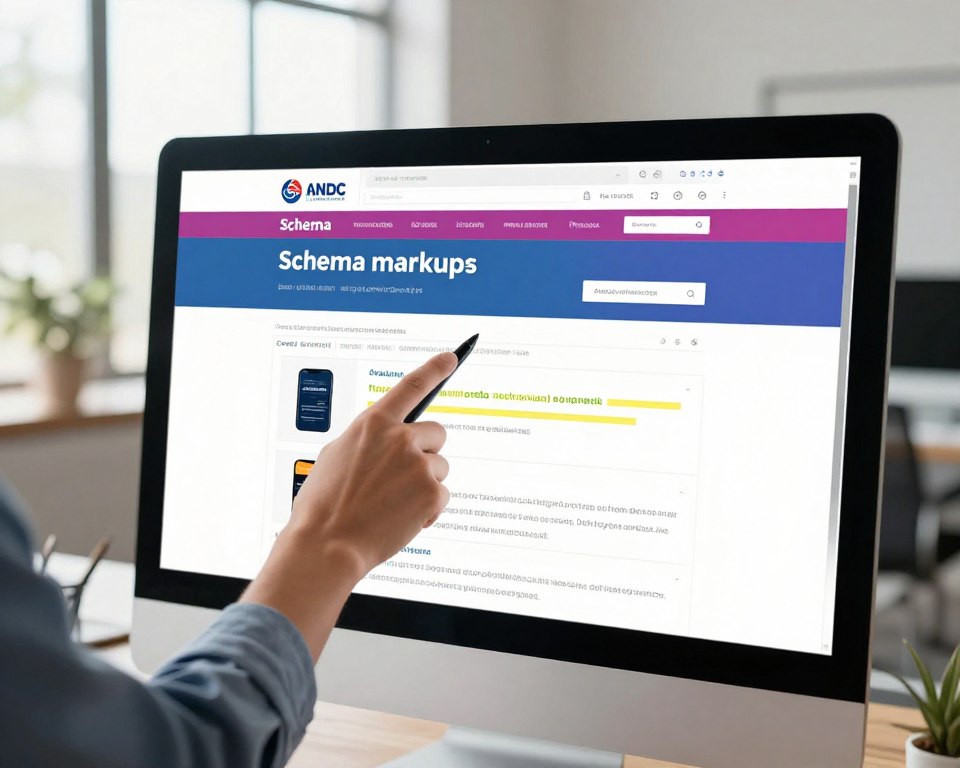
Implementing schema markup can lead to richer search results, capturing more attention from potential customers. This type of code helps Google better understand your pages, increasing the chances of your pages getting rich snippets in search results.
Rich snippets display extra information below the title tag and description, such as ratings, reviews, and prices. This additional data makes your website more noticeable, especially for online stores where standing out against competitors is crucial.
- Automatic Generation: You don’t need to write this code manually. Many free markup generator tools can create this code for you.
- Validation Tools: Use the Schema Markup Validator to ensure your schema markup is implemented correctly, avoiding errors in your code.
- Enhanced Click-Through Rates: By adding schema to your page’s HTML code, you increase the chances of your pages getting rich snippets, which can boost your click-through rate.
- Product Markup: We explain how to use product markup, the most relevant type of schema for online stores, to help Google display your product information effectively.
- AI Considerations: As AI-driven discovery becomes more prevalent, structuring your product data in a machine-readable format is more important than ever.
Capitalizing on Content Marketing to Drive Traffic
By focusing on high-quality content, you can effectively drive more traffic to your online store. Content marketing is a vital strategy that encompasses various forms of media, including blog posts, videos, and email newsletters. Businesses that blog see 55% more web visitors than those that don’t, highlighting the importance of maintaining an active content presence.
Creating BoFu blog posts that cater to customers at the lower end of the marketing funnel can be particularly effective. For instance, Chewy published a compilation post of the best dog Halloween costumes, linking directly to product pages. This not only drives traffic but also increases conversion rates.
Once your blog content is live, promoting it through social media is essential. This approach diversifies your traffic sources beyond search engines, allowing you to reach a wider audience. Sharing your content with your email list can also boost traffic and enhance conversions.
Informational or entertaining content can thrive on social media, attracting potential customers interested in your products. Additionally, utilizing buying guides, gift guides, and FAQ pages can help earn backlinks, improving your page rankings across numerous long-tail keywords.
Quality content naturally attracts backlinks, which strengthens your site’s authority and improves rankings. This ultimately drives increased traffic and sales to your store. For more insights on unlocking free backlinks, check out this helpful resource.

Analyzing Competitor Strategies and Market Trends
Analyzing your competitors can provide valuable insights into effective marketing strategies. By examining competitor keywords, you can uncover the areas they successfully navigate while identifying opportunities for your own approach.
Tools like Ahrefs and Semrush are excellent for revealing topics where competitors rank well. This clarity helps you develop content that competes effectively in search engines.
Moreover, you can learn which topics resonate with your audience by investigating competitor tactics. Understanding search intent is crucial; for instance, which page types rank highest, such as product listings or blog articles.
- Focus on your unique value proposition instead of targeting identical keywords just because competitors outrank you.
- Remember, factors like domain authority and brand recognition play a significant role in rankings.
- Utilize machine learning and natural language processing to analyze data efficiently and identify long-tail opportunities.
- AI can assist in clustering keywords and generating actionable content ideas, saving you valuable time.

Integrating Google Merchant Center and Product Feeds
Maximizing your product’s presence in search results starts with effective use of Google Merchant Center. This tool is essential for ensuring your products appear in Google Shopping listings and ads.
To begin, verify that your product feed is correctly set up in the Google Merchant Center. This verification confirms that your product data, including titles, descriptions, prices, and availability, meets Google’s requirements.
You can verify ownership of your website through various methods such as email, your ecommerce platform, Google Tag Manager, or by adding an HTML tag to your site’s code.

Next, upload your product information using a supported format, like a spreadsheet or XML file. This ensures all attributes are included for optimal performance.
Regularly monitor your feed’s status in the Google Merchant Center dashboard. Google will review your data for compliance, which typically takes up to three business days. If there are any errors or disapprovals, details will be available in the “Needs attention” tab, which you should address promptly.
A verified and accurate feed enhances your visibility in search results, making your products discoverable by potential customers. Below is a summary of key actions:
| Action | Description | Benefit |
|---|---|---|
| Verify Product Feed | Ensure your data meets Google’s requirements. | Increases eligibility for listings. |
| Upload Product Info | Use formats like spreadsheets or XML. | Ensures all product attributes are included. |
| Monitor Feed Status | Check compliance and resolve issues. | Maintains product visibility and performance. |
In conclusion, managing your product feed effectively is crucial for optimizing your online store’s performance. By following these steps, you can enhance your visibility and attract more customers.
Advanced Ecommerce SEO Strategies
The landscape of digital marketing is evolving rapidly, making it essential to adopt advanced strategies. Today, optimizing your online presence requires more than traditional methods. Embracing innovative techniques can significantly enhance your visibility and performance.
One effective approach is implementing structured data. This method helps search engines better understand your content, leading to improved rankings. For example, using schema markup can make your product pages more informative, attracting more customers.
Implementing Structured Data
Structured data is crucial for enhancing your search engine presence. By organizing your product information in a machine-readable format, you increase the chances of appearing in rich snippets. This visibility can drive more traffic to your store.
In addition, advanced analytics play a vital role in monitoring your site’s performance. By analyzing user behavior and engagement, you can make data-driven decisions that keep you ahead of the competition. This insight allows you to refine your strategies and optimize your content effectively.
Optimizing with Advanced Analytics
Utilizing advanced analytics tools can transform your marketing strategy. These tools provide valuable insights into customer preferences and search trends. As a result, you can tailor your content to meet their needs, ultimately improving your rankings.
In 2025, U.S. spending on search advertising within generative AI platforms is estimated at $1 billion, potentially growing to $26 billion by 2029. This shift emphasizes the importance of adapting your strategies to include AI-driven optimization.
| Strategy | Description | Benefit |
|---|---|---|
| Structured Data | Organizes product information for search engines. | Increases visibility and click-through rates. |
| Advanced Analytics | Monitors user behavior and engagement. | Informs data-driven marketing decisions. |
| AI Optimization | Utilizes AI tools for improved content creation. | Enhances efficiency and performance. |

For more insights on optimizing your strategy, check out this helpful resource.
Ecommerce SEO Trends and Future Outlook
The world of digital marketing is witnessing a transformative shift, altering how users discover your products. Up to 60% of searches are predicted to become “zero-click” by 2027. This means that AI-driven content will often provide direct answers, reducing the need for users to click through to your site.
As search results become increasingly dominated by paid ads, organic visibility for many online stores is at risk. It’s essential to adapt your strategy to include not just traditional search engine optimization but also answer engine optimization and generative engine optimization.
Research indicates that 56% of marketers are already incorporating generative AI into their workflows. This trend emphasizes the need for a content strategy that remains relevant as search engine behavior evolves.
By focusing on structured data and intent-driven content, you can maintain your visibility. This approach ensures you continue attracting qualified traffic to your online store. The future of your store relies on balancing traditional optimization with new AI-driven discovery methods.

Conclusion
Achieving success in the digital marketplace requires ongoing effort and a commitment to best practices. Mastering online visibility is a continuous process that blends technical optimization, high-quality content, and strategic keyword research.
By focusing on fundamentals like site architecture and on-page optimization, you can build a strong foundation that drives organic traffic and sales. Staying ahead of trends, such as AI-driven search, ensures your store remains visible in a competitive landscape.
Providing value through helpful content and a seamless user experience fosters long-term brand loyalty. Use the tools and data from this guide to monitor your performance and make informed decisions for growth.
Implement these strategies consistently to enjoy the benefits of higher search engine rankings and increased revenue for your store.
FAQ
What is the main goal of ecommerce SEO?
The primary goal of ecommerce SEO is to enhance your online store’s visibility on search engines, driving organic traffic and increasing sales. By optimizing product pages and site structure, you can attract more customers.
How can I improve my product pages for better rankings?
To improve your product pages, focus on writing unique descriptions, optimizing images with alt text, and using relevant keywords in titles and meta descriptions. This will help search engines understand your products better.
What tools can I use for keyword research?
Tools like Google Keyword Planner, Ahrefs, and SEMrush are excellent for discovering effective keywords. They help you identify what potential customers are searching for, allowing you to tailor your content accordingly.
Why is site structure important for my online store?
A well-organized site structure improves user experience and helps search engines crawl your site more efficiently. Clear categories and internal linking can enhance navigation, leading to better engagement and higher rankings.
How does technical SEO impact my ecommerce site?
Technical SEO ensures that your website runs smoothly, which is crucial for user experience. Factors like site speed, mobile-friendliness, and secure connections all contribute to better performance and can positively affect your search rankings.
What role does content marketing play in ecommerce SEO?
Content marketing drives traffic by providing valuable information to your audience. High-quality blog posts and engaging social media content can attract potential customers, increasing brand visibility and boosting sales.
How can I leverage Google Merchant Center?
Google Merchant Center allows you to upload your product listings for visibility on Google Shopping. This integration helps potential customers find your products more easily, driving traffic directly to your online store.
What are rich snippets, and how do they help?
Rich snippets provide additional information in search results, such as product ratings and prices. Utilizing schema markup can enhance your listings, making them more appealing and increasing click-through rates.